

Tourism
“Deaf Dam” eco-trail
Improvement of the “Deaf Dam” eco-trail in Murmank region, including the design of tourist infrastructure, information stands, and navigation. The route passes through the northernmost forests of Europe and leads to the Skugfoss hydroelectric power station dam.
Task: to detail the route concept, followed by the design of a thematic exhibition plan and copyright, to develop standard stand designs and tourist infrastructure for recreation areas, to design stands with original illustrations, and to prepare design drawings with recommendations for installation and materials.
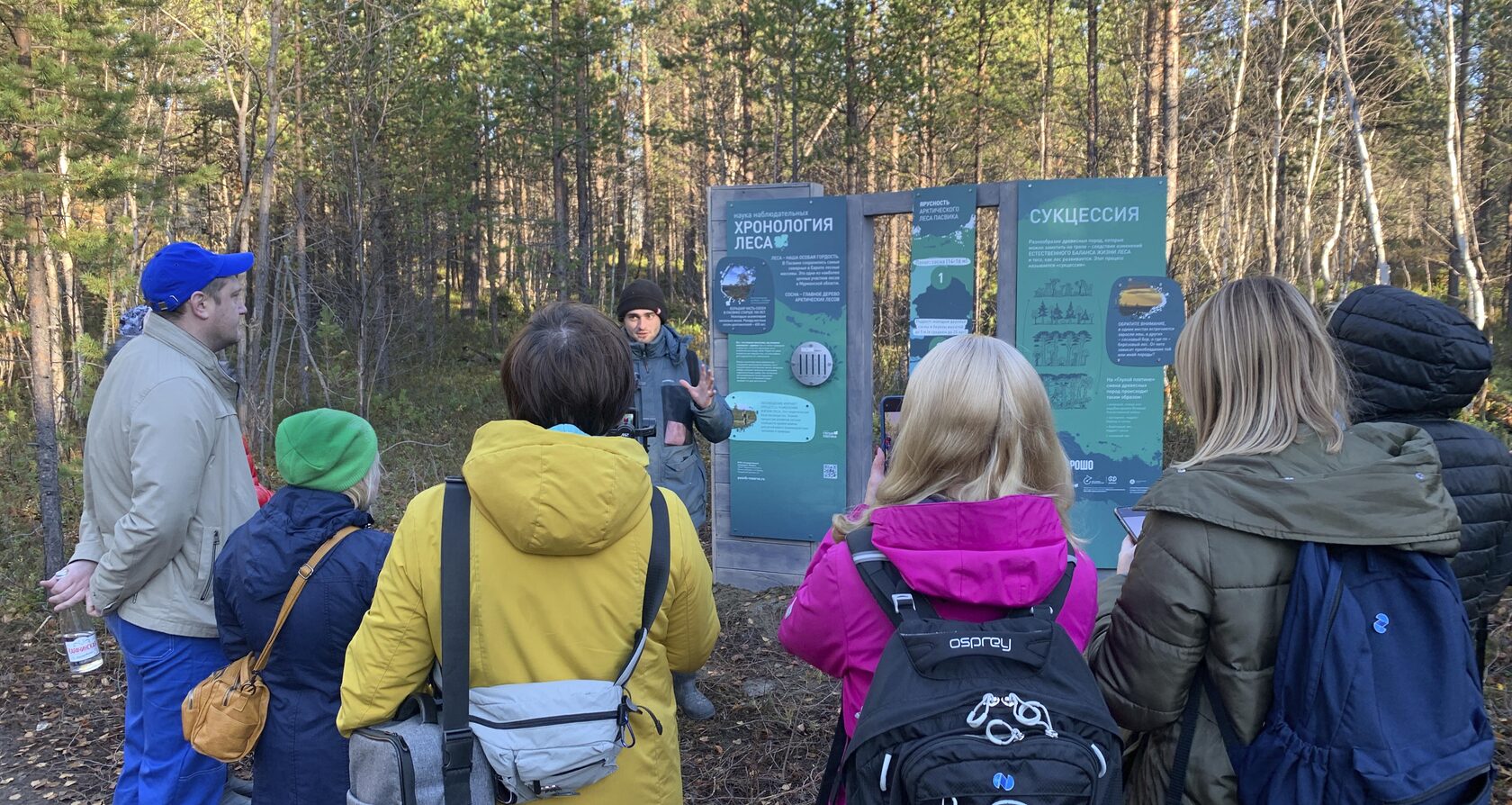
A stand on the “Deaf Dam” route, telling about the forest and the process of its restoration – succession.
The stylistic solution was inspired by the Arctic itself and the characteristic color combinations observed in preliminary design studies and during a trip to the reserve. The main colors were gray, brown-copper, and blue-turquoise from the Pasvika brand book's corporate color palette.
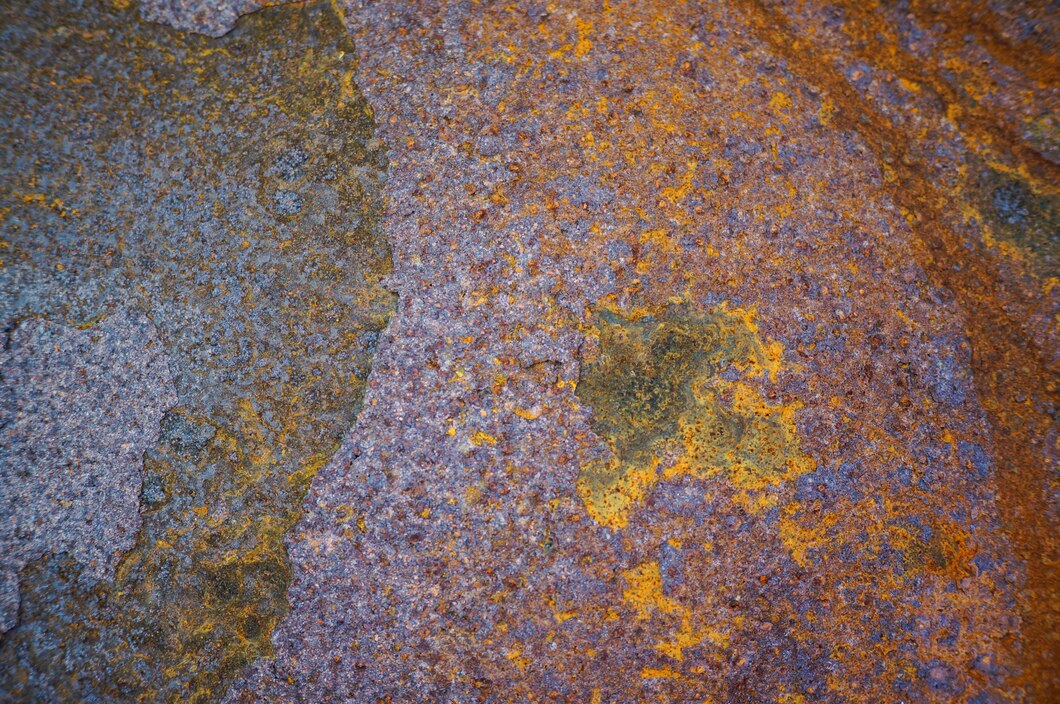
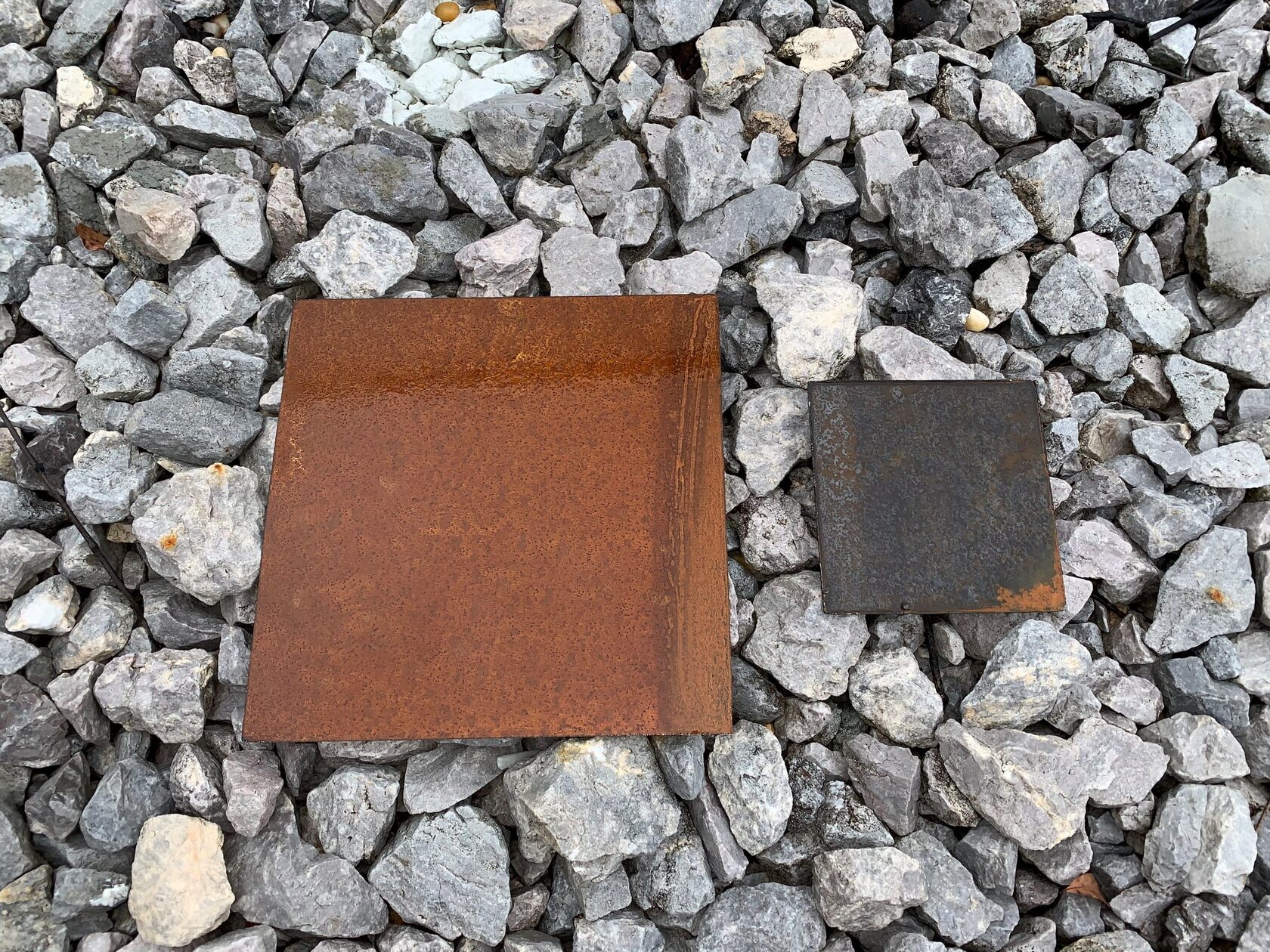
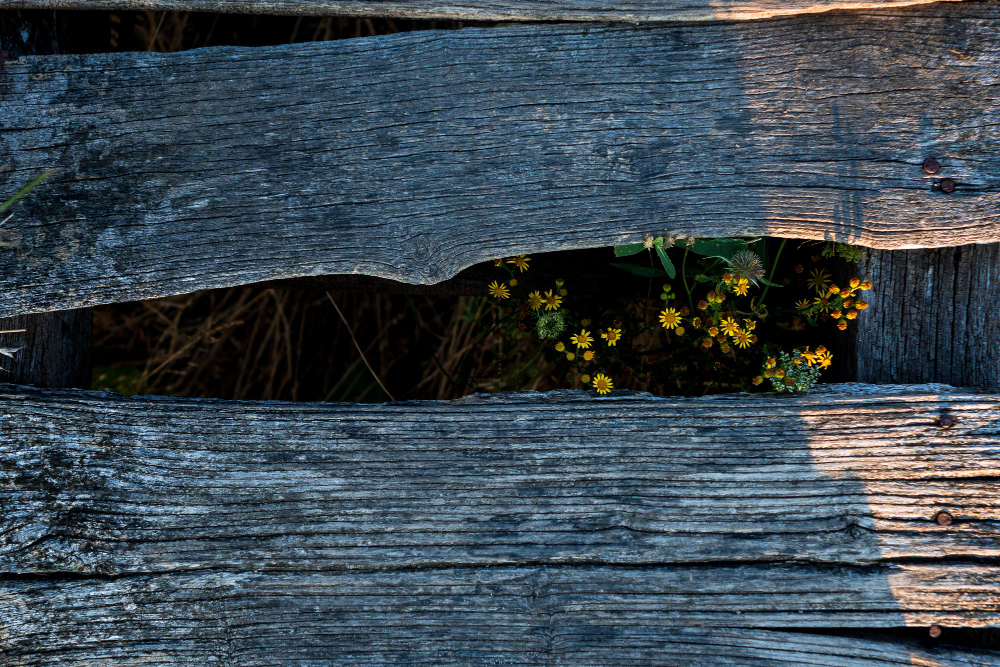
Gray is the color of blue-gray wood, characteristic of the north. It became the basis for the color scheme of the stands, navigation, and infrastructure objects. The second color is copper-brown, the color of rust, as metal objects in the north are subject to corrosion due to the harsh climate. The project decided to rethink this feature and give it a new interpretation: to use Corten steel as a full-fledged structural element.
Gray is the color of blue-gray wood, characteristic of the north. It became the basis for the color scheme of the stands, navigation, and infrastructure objects. The second color is copper-brown, the color of rust, as metal objects in the north are subject to corrosion due to the harsh climate. The project decided to rethink this feature and give it a new interpretation: to use Corten steel as a full-fledged structural element.

Eco-trail for pilgrims with an insect hotel
To detail the route of the eco-trail on the terrain, great attention was paid to natural objects. Scientific facts about them were transformed into ideas for presenting the material and the location of structures, both informational and tourist infrastructure.
Using a “tourist's perspective” and ergonomic principles, the location of the entrance area was determined, and an impressive moss-covered boulder was found, where it was decided to place a stand about mosses and lichens, and to accompany the story about the marshes with a telescope so that they could be examined in more detail.
As a result of field research, visit scenarios were formulated, the route was updated and supplemented with stopping points and the placement of art objects, the features of the eco-trail were analyzed, and those unique features that can only be captured during a trip were identified.
Using a “tourist's perspective” and ergonomic principles, the location of the entrance area was determined, and an impressive moss-covered boulder was found, where it was decided to place a stand about mosses and lichens, and to accompany the story about the marshes with a telescope so that they could be examined in more detail.
As a result of field research, visit scenarios were formulated, the route was updated and supplemented with stopping points and the placement of art objects, the features of the eco-trail were analyzed, and those unique features that can only be captured during a trip were identified.
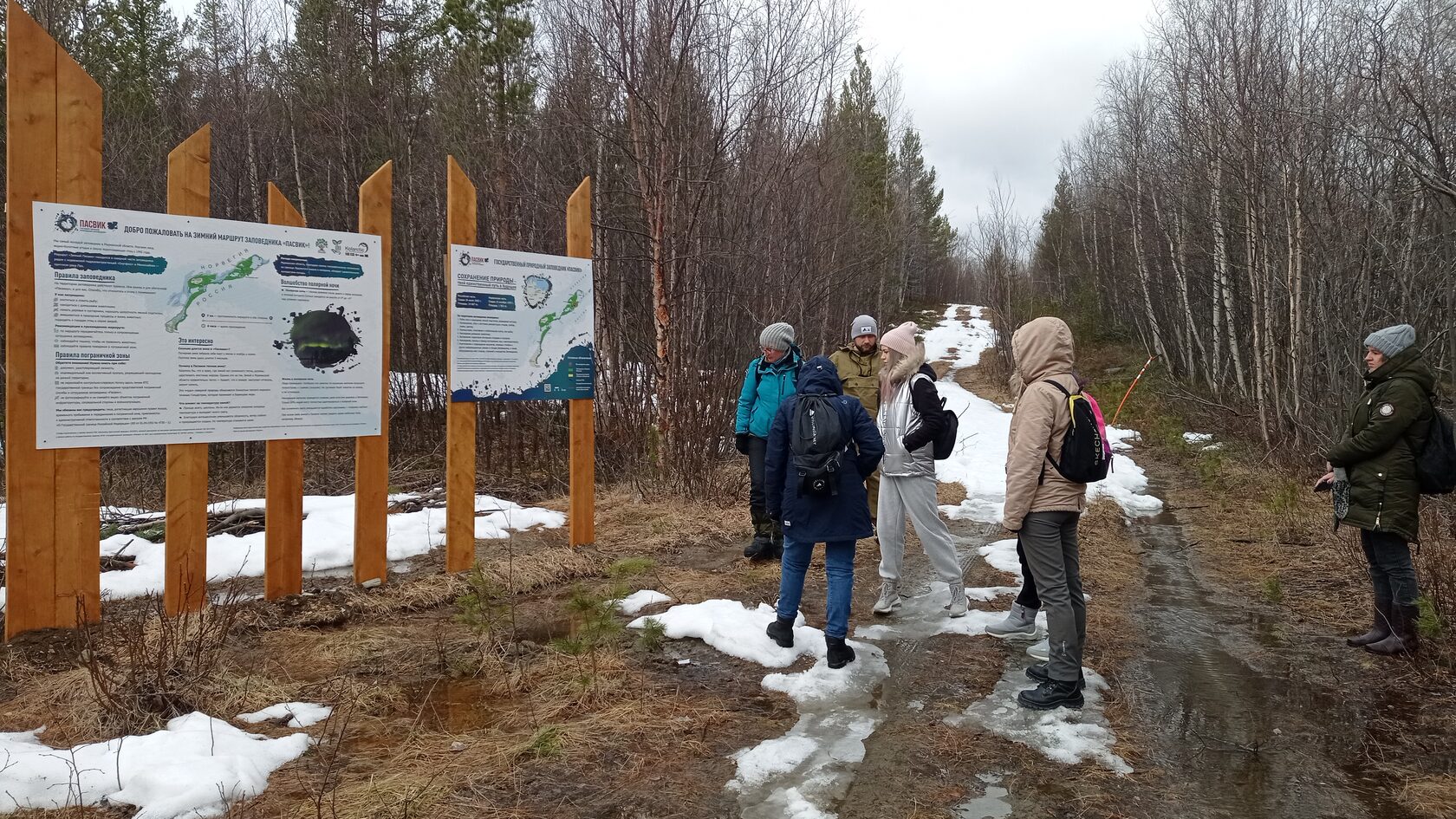
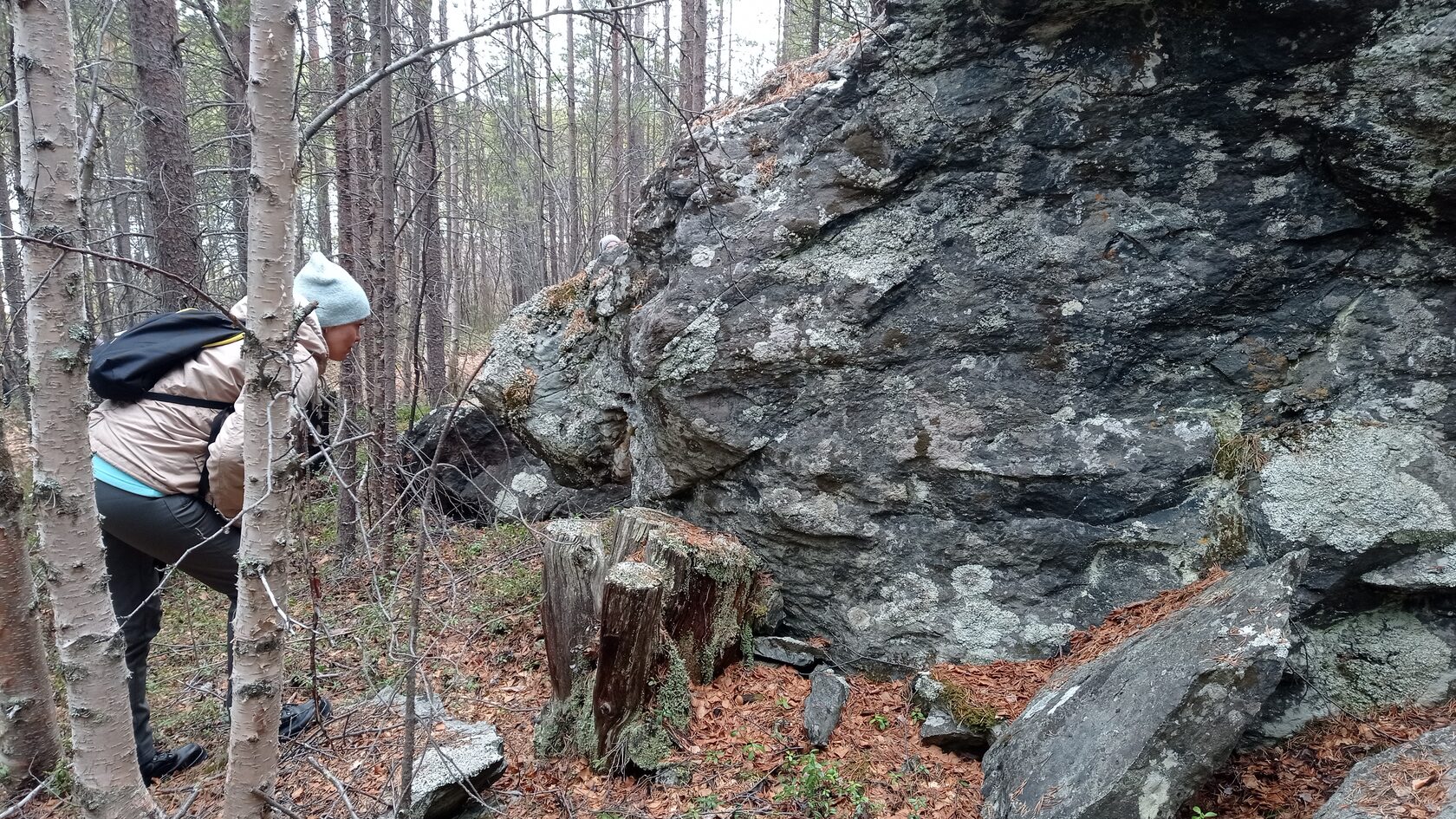
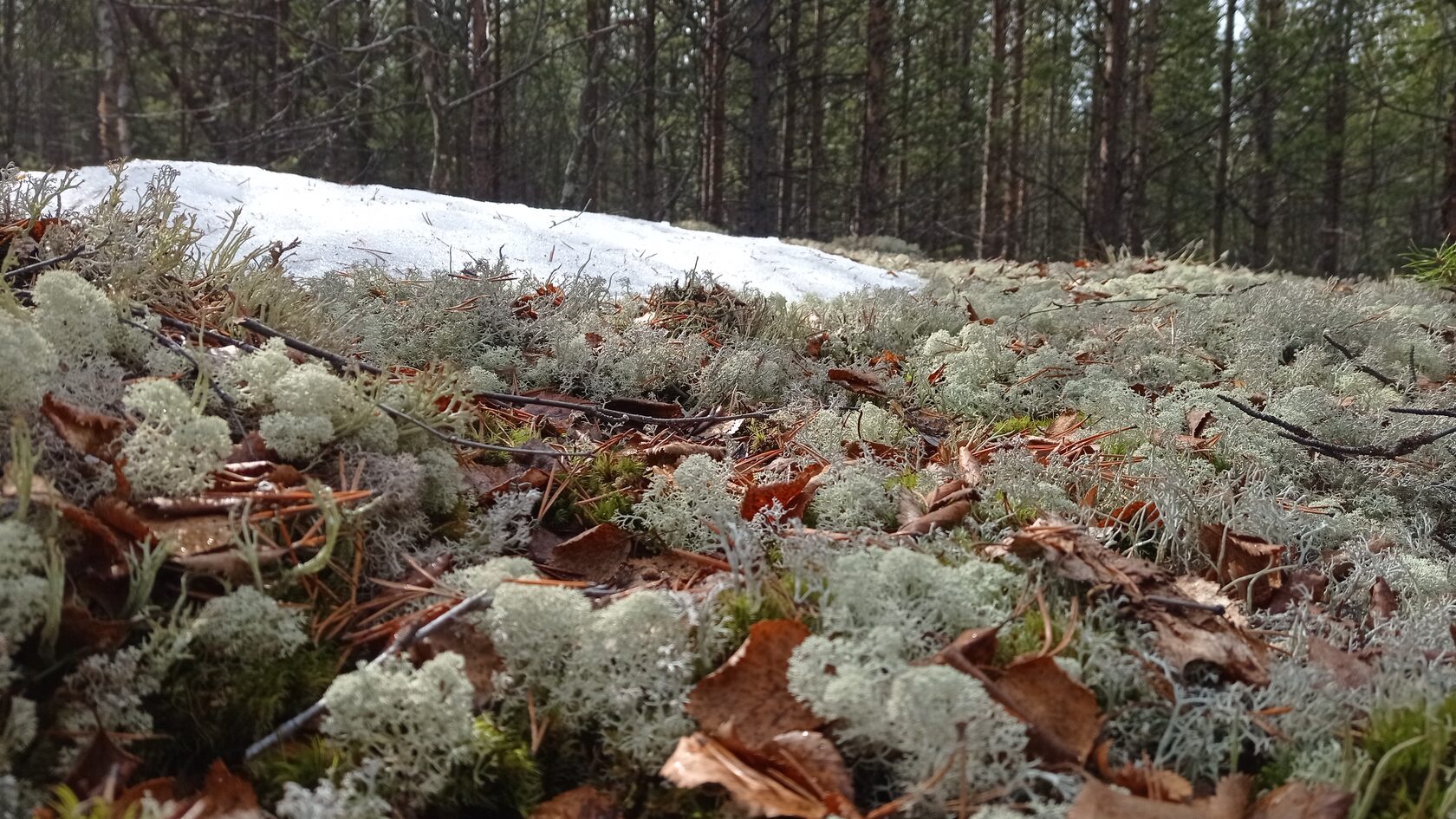
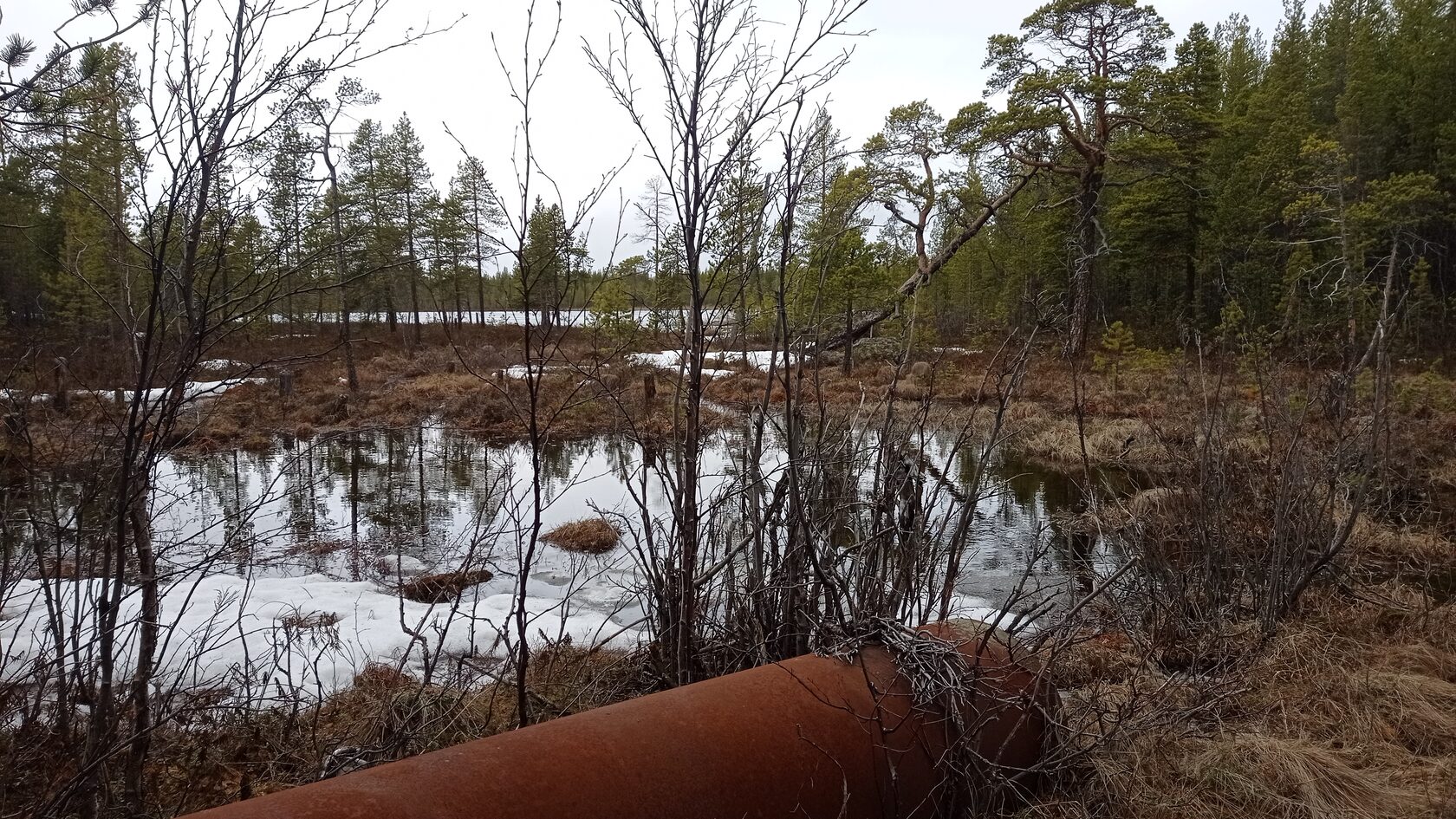
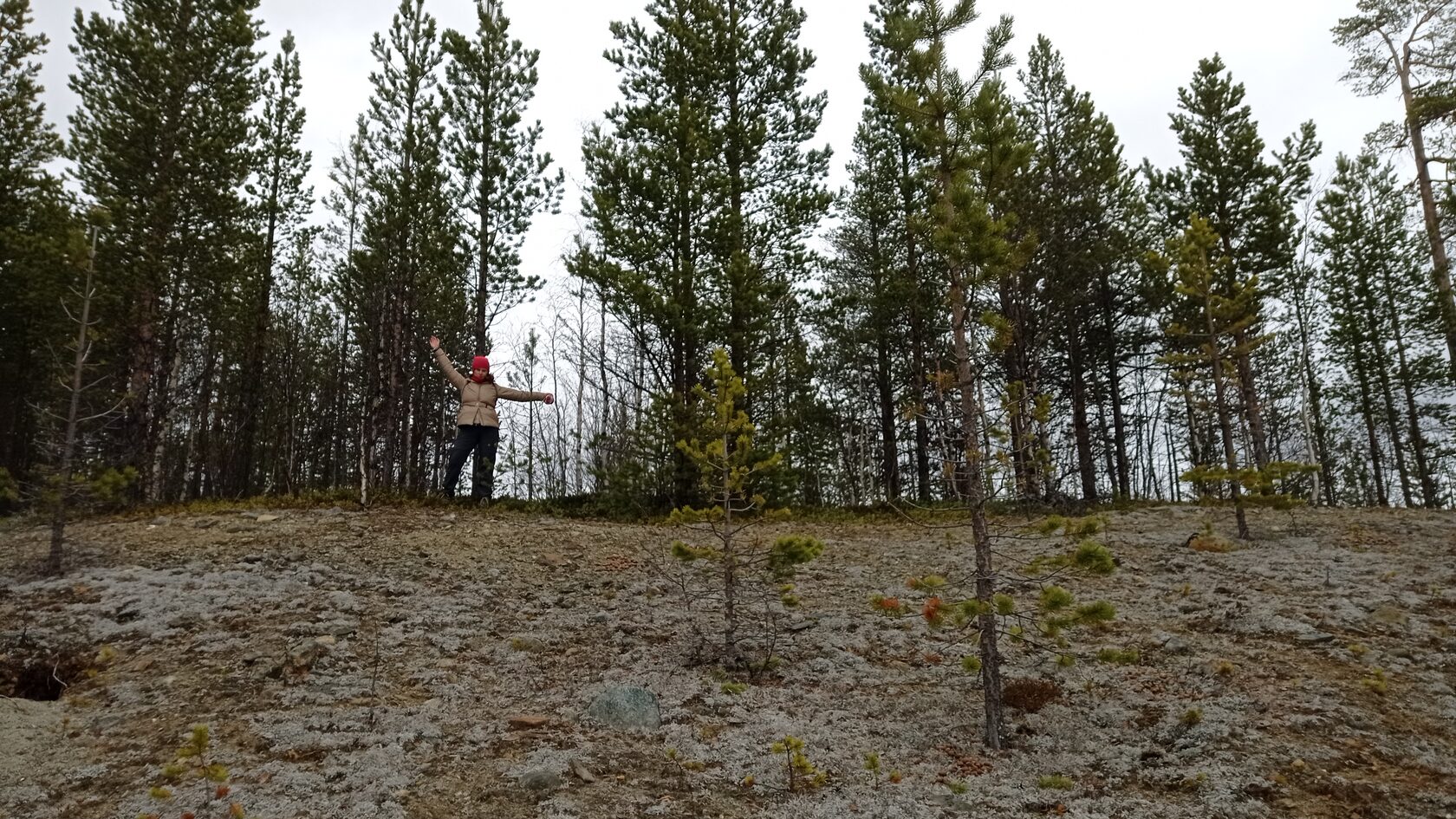
The entrance area, information stands, and navigation were designed using a modular approach: standard elements were developed and, depending on the content, combined for different tasks involving the presentation of text and graphic material. Some of the structures also became part of a “game” along the route: in some places, these were signposts or frames showing the forest in the process of succession; in the swamp, there was a telescope and an insect hotel next to a description of their life in the vicinity of an ant farm.
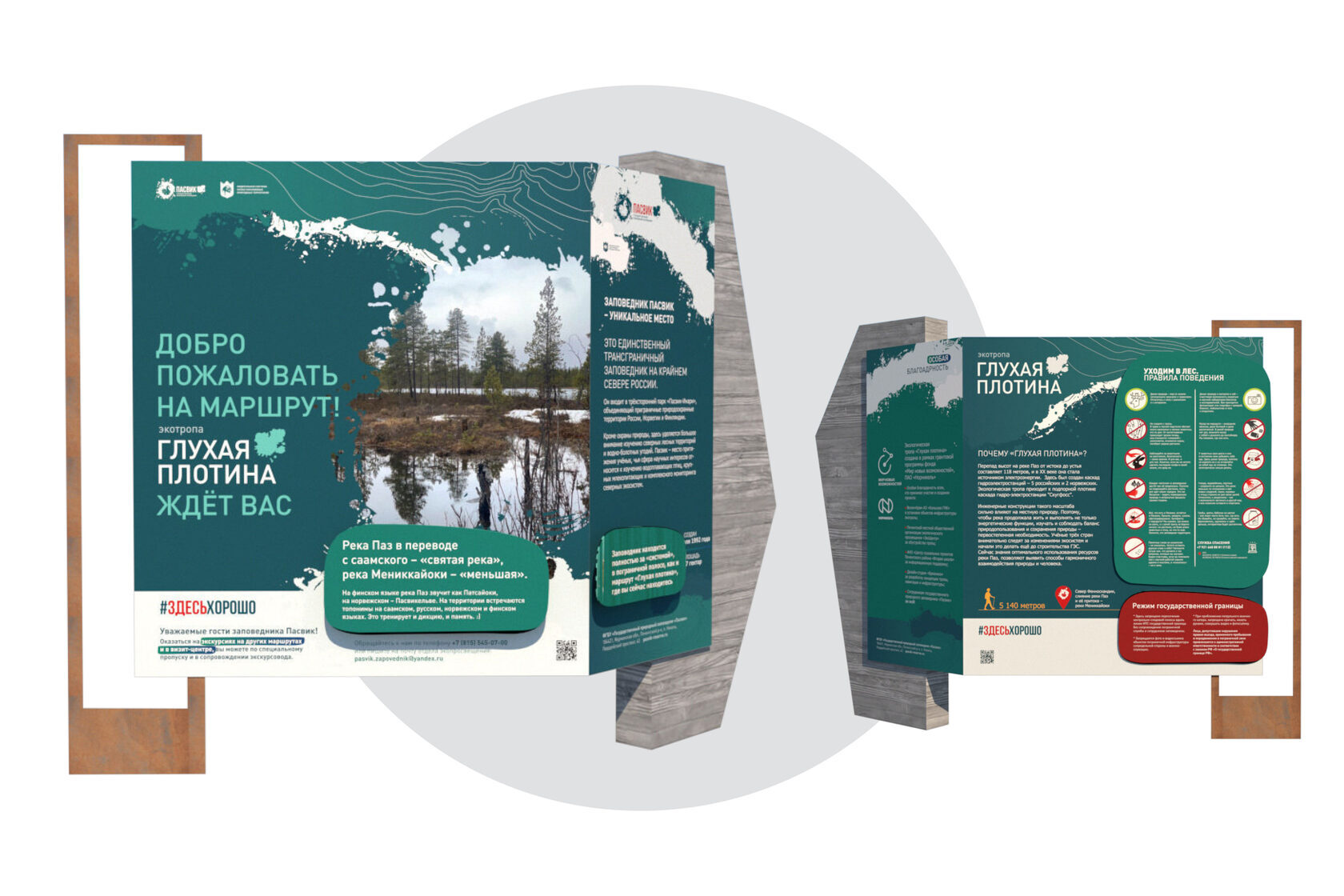
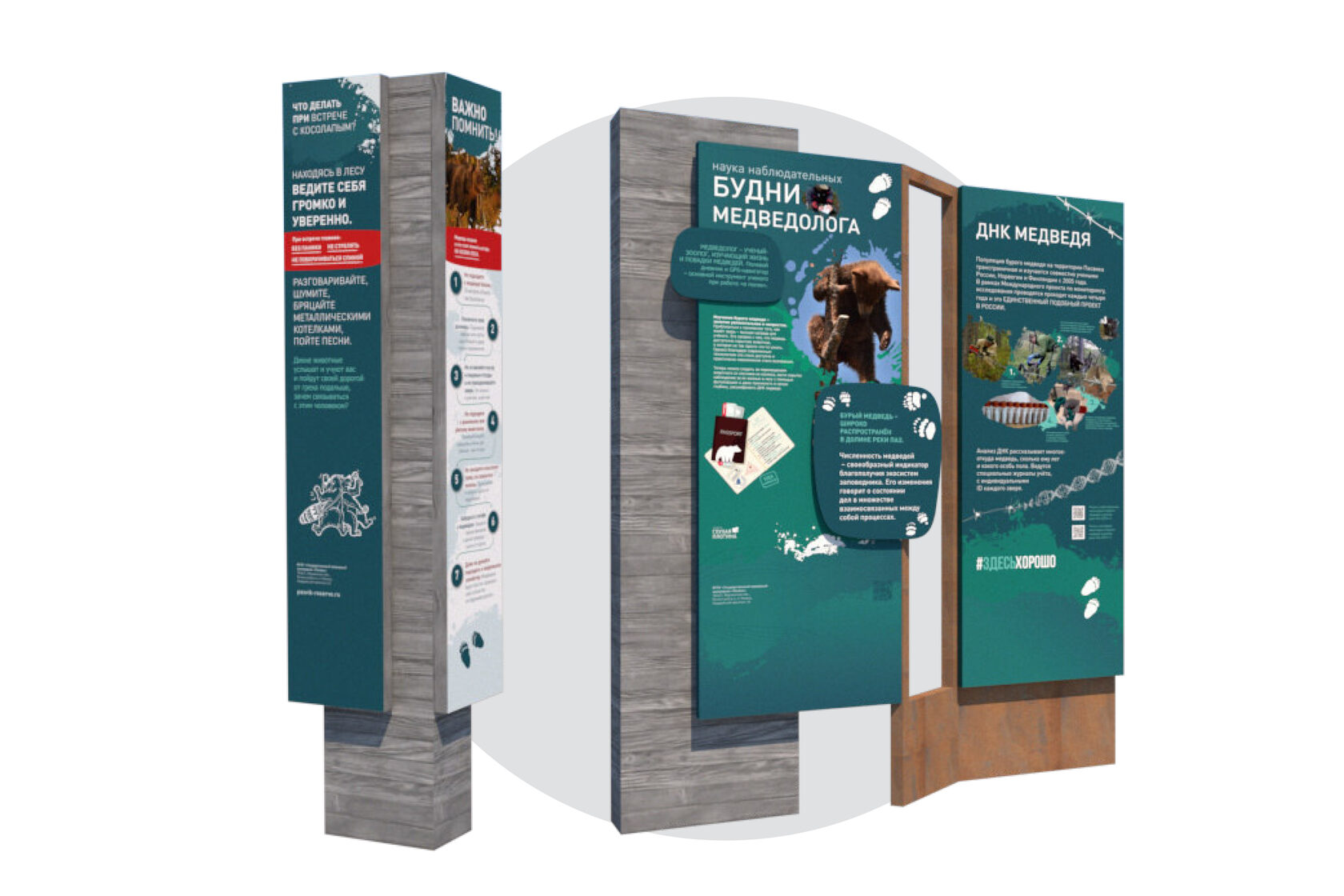

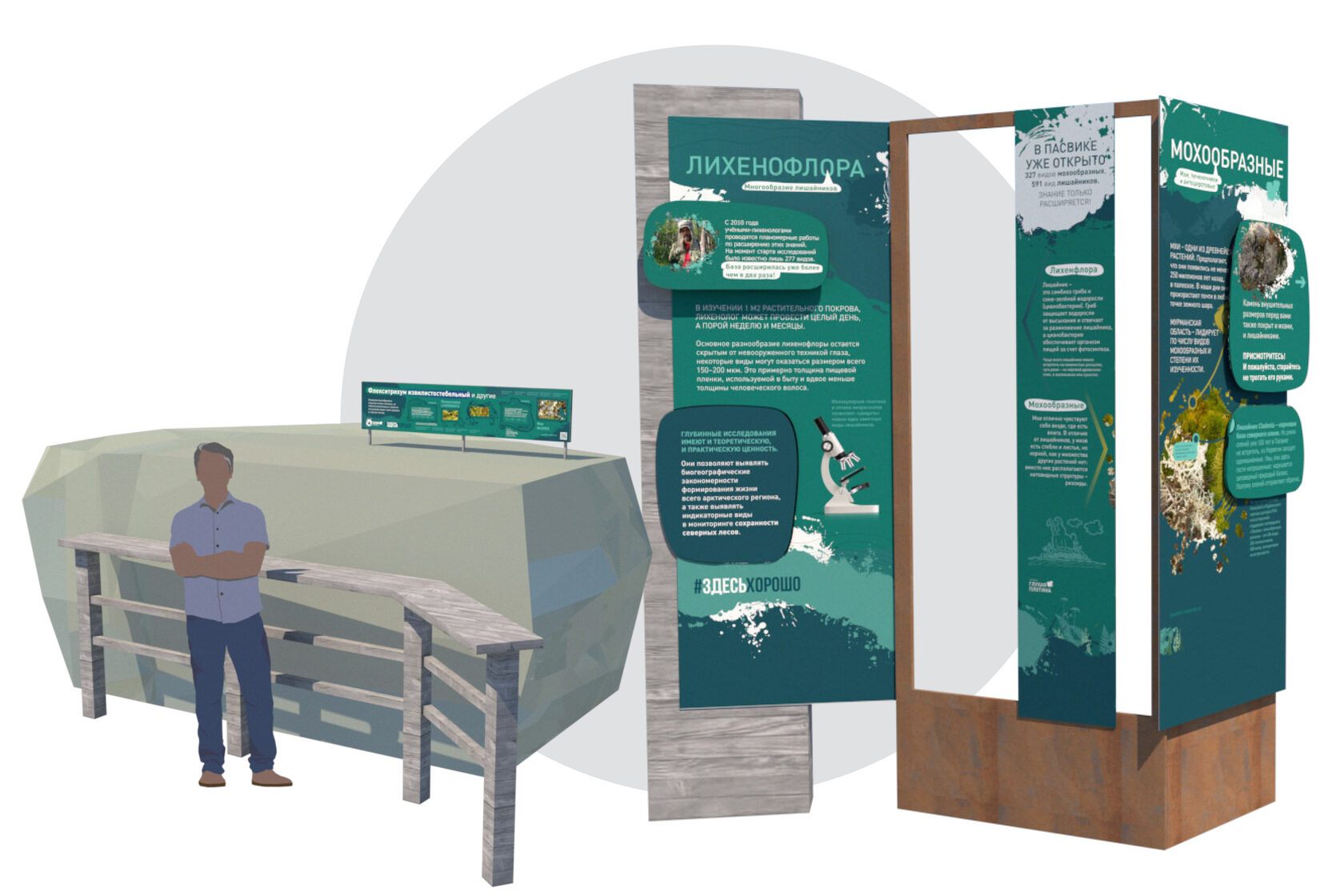
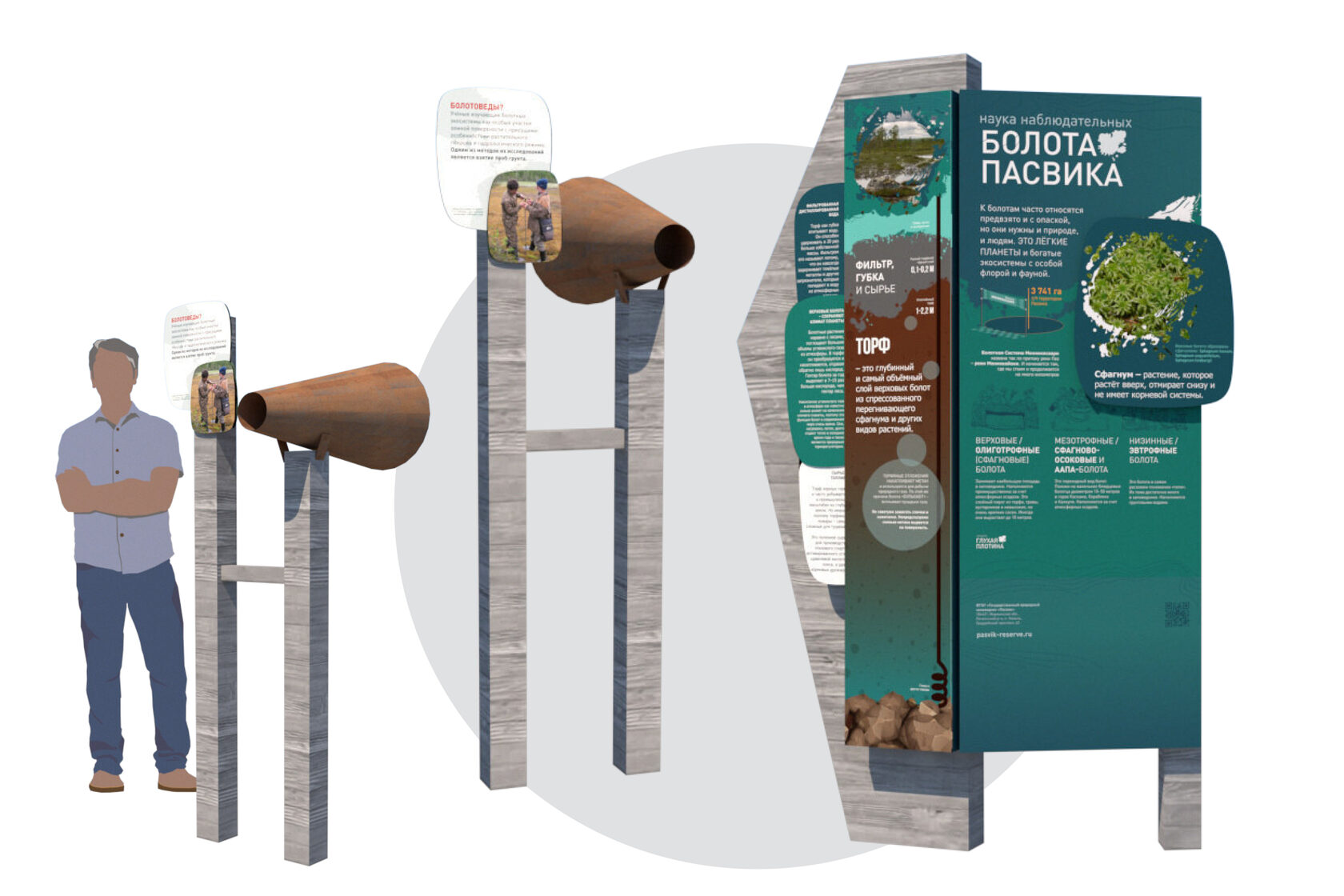


The entire route was supplemented with original illustrations. The interpretation process is creative and requires patience, as translating scientific terms and phenomena into concise and understandable imagery requires inspiration, coordinated teamwork, and an understanding of the intricacies of the route and the location of the stands themselves.
Tourist stops with a Sami spirit
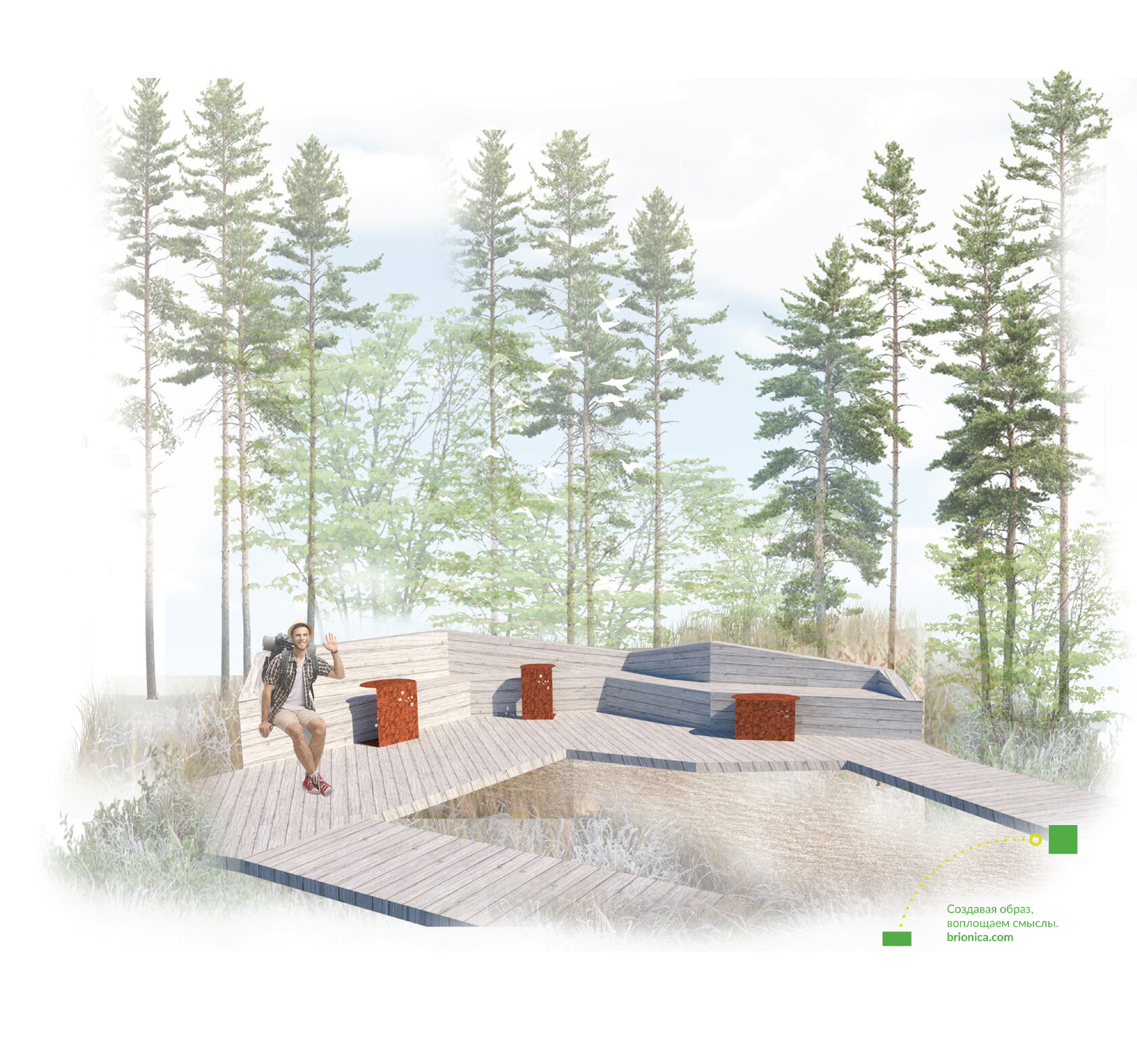


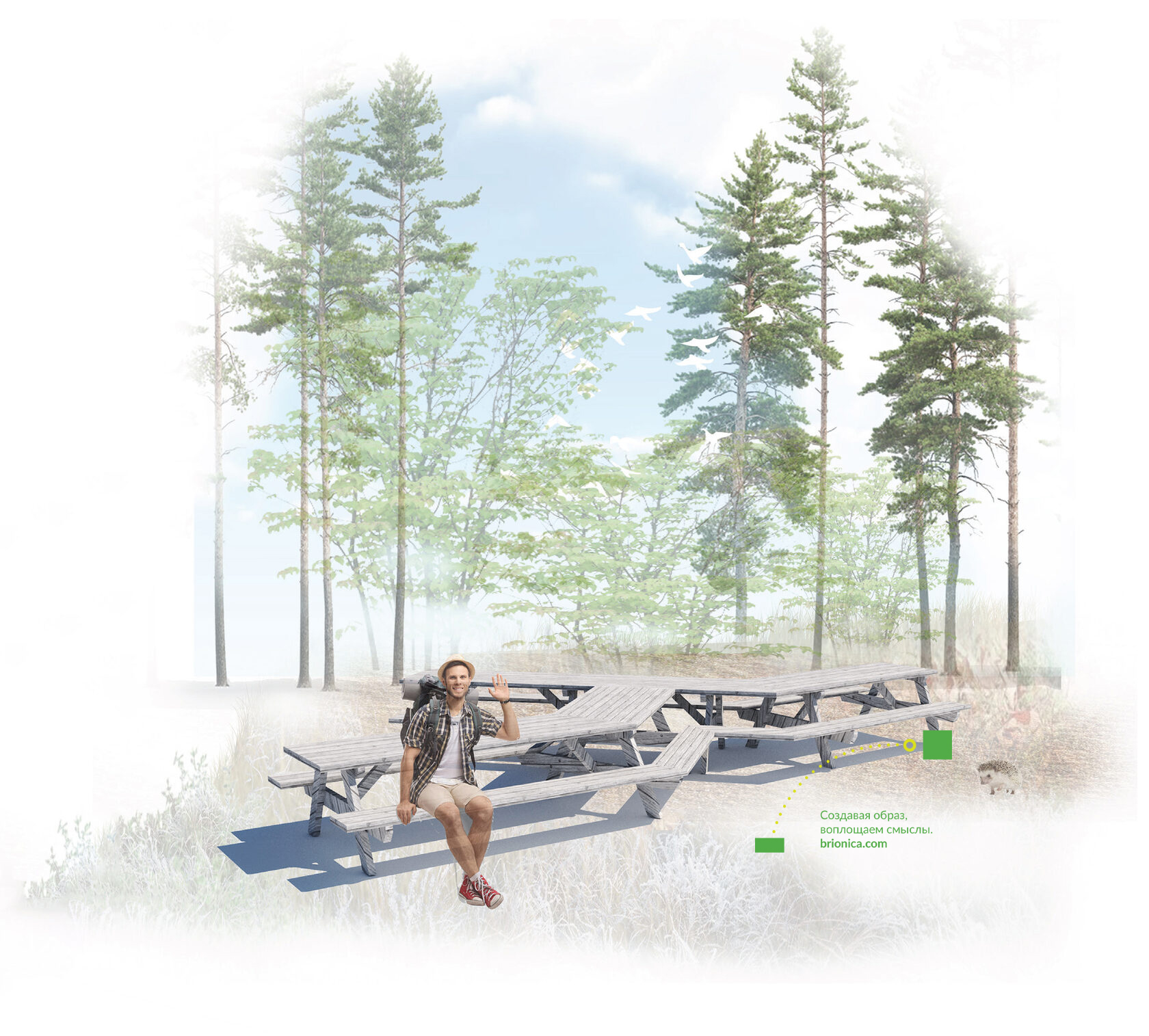
When designing the tourist infrastructure, the task was to make the facilities not only functional and modern, but also to take into account the context of the territory. The Murmansk region is still home to the indigenous Sami people, a small northern ethnic group. Reindeer herding has been the main occupation of the Lapps (another name for the people) for many years, and therefore the reindeer of each parish (a place of compact settlement) had their own special ear tags. The plasticity of these tags was conveyed in the broken lines of the structures, and the color scheme and material—blue-gray wood—were preserved.
When designing the tourist infrastructure, the task was to make the facilities not only functional and modern, but also to take into account the context of the territory. The Murmansk region is still home to the indigenous indigenous people of the north – the Sami.


Reindeer herding was the main occupation of the Lapps (the second name of the people) for many years, and therefore the reindeer of each parish (a place of compact settlement) had their own special ear tags. The plasticity of these tags was conveyed in the broken lines of the structures, and the color scheme and material—blue-gray wood—were preserved.
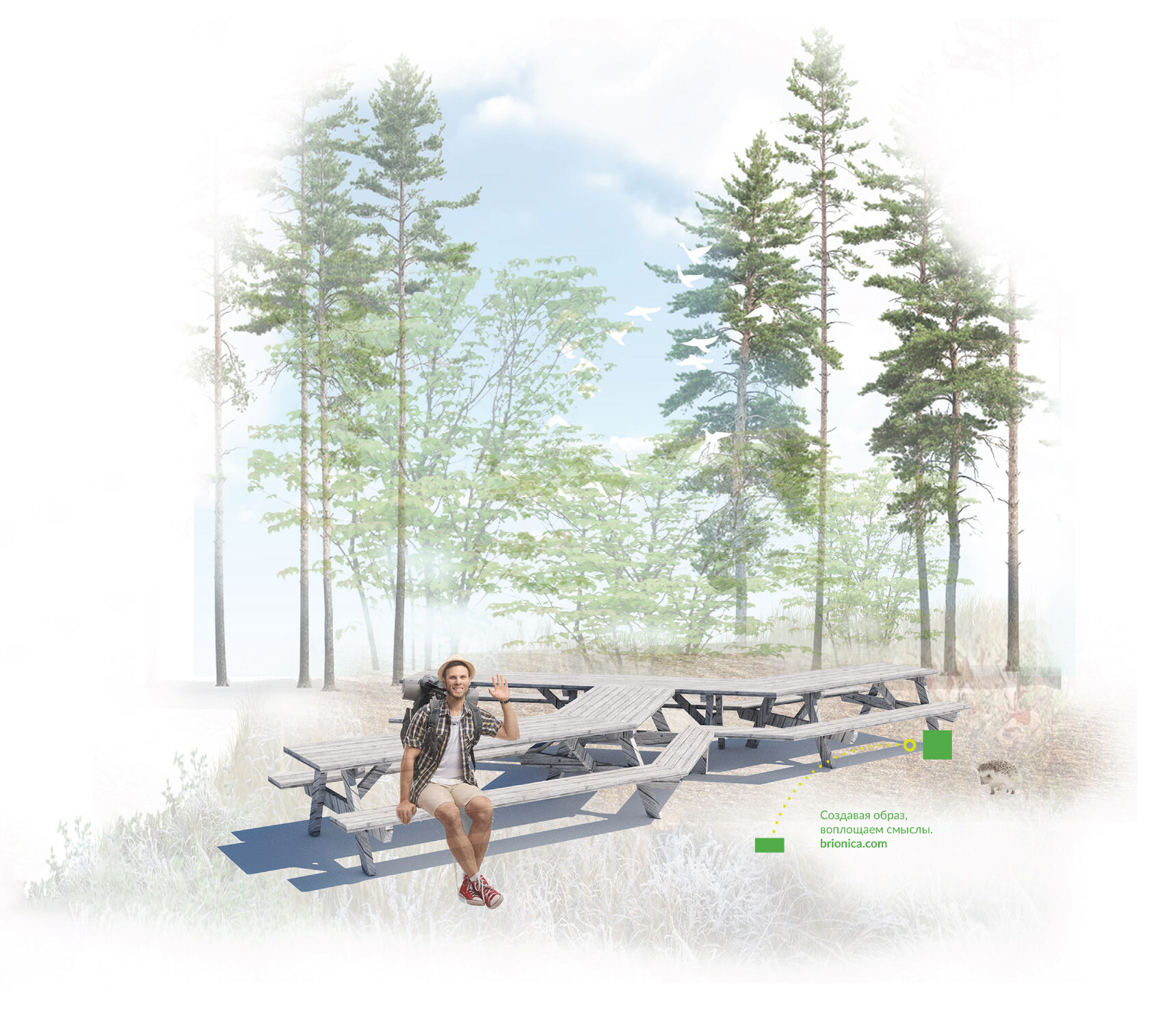
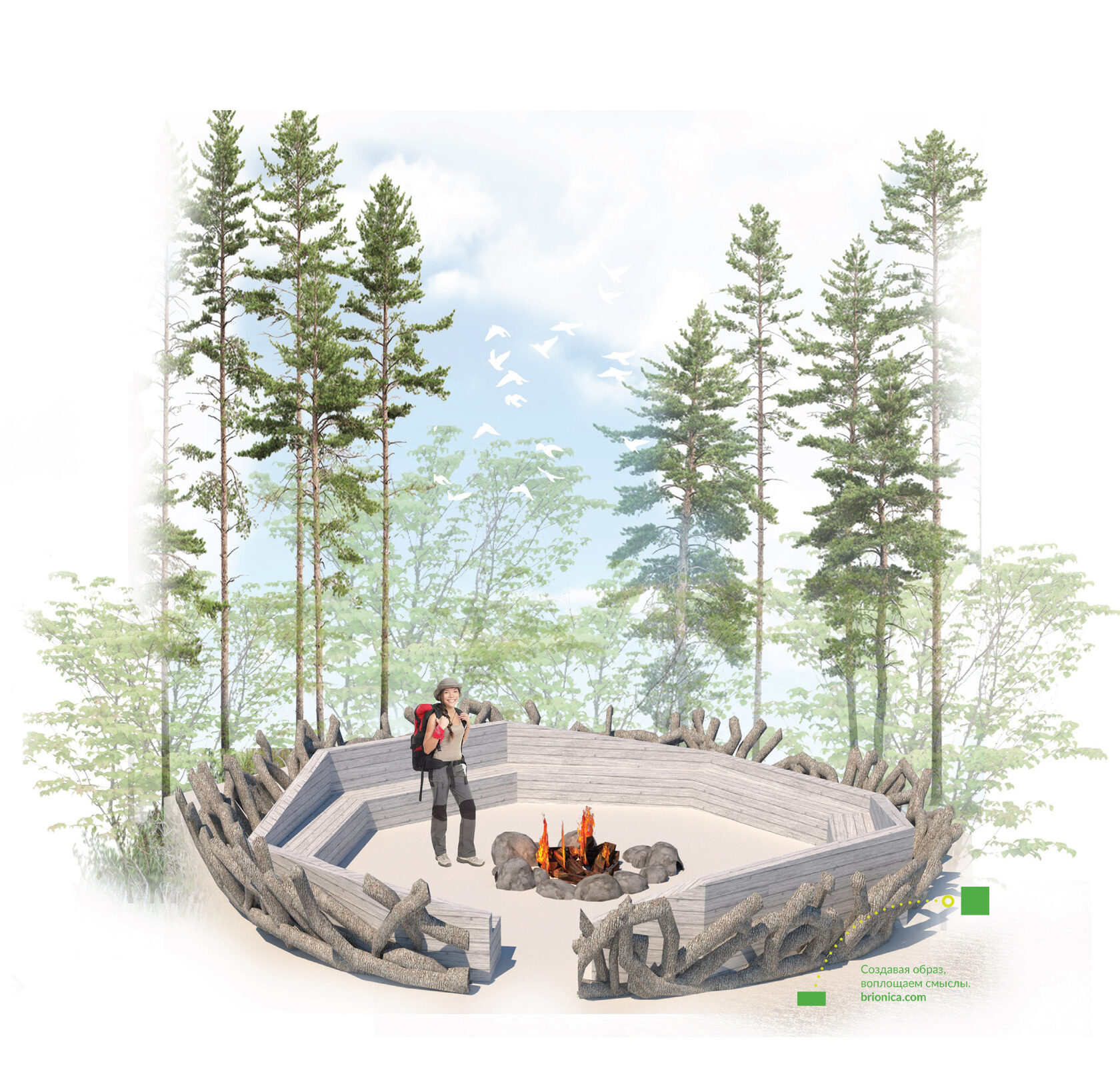
The “peace table,” designed for the tourist site at the furthest point of the route, can accommodate up to 20 people, like a campfire site – a “nest.” Both structures are designed so that all members of the tourist group can gather “around one table” or in one circle, creating a space for friendly communication.

Souvenirs for the opening
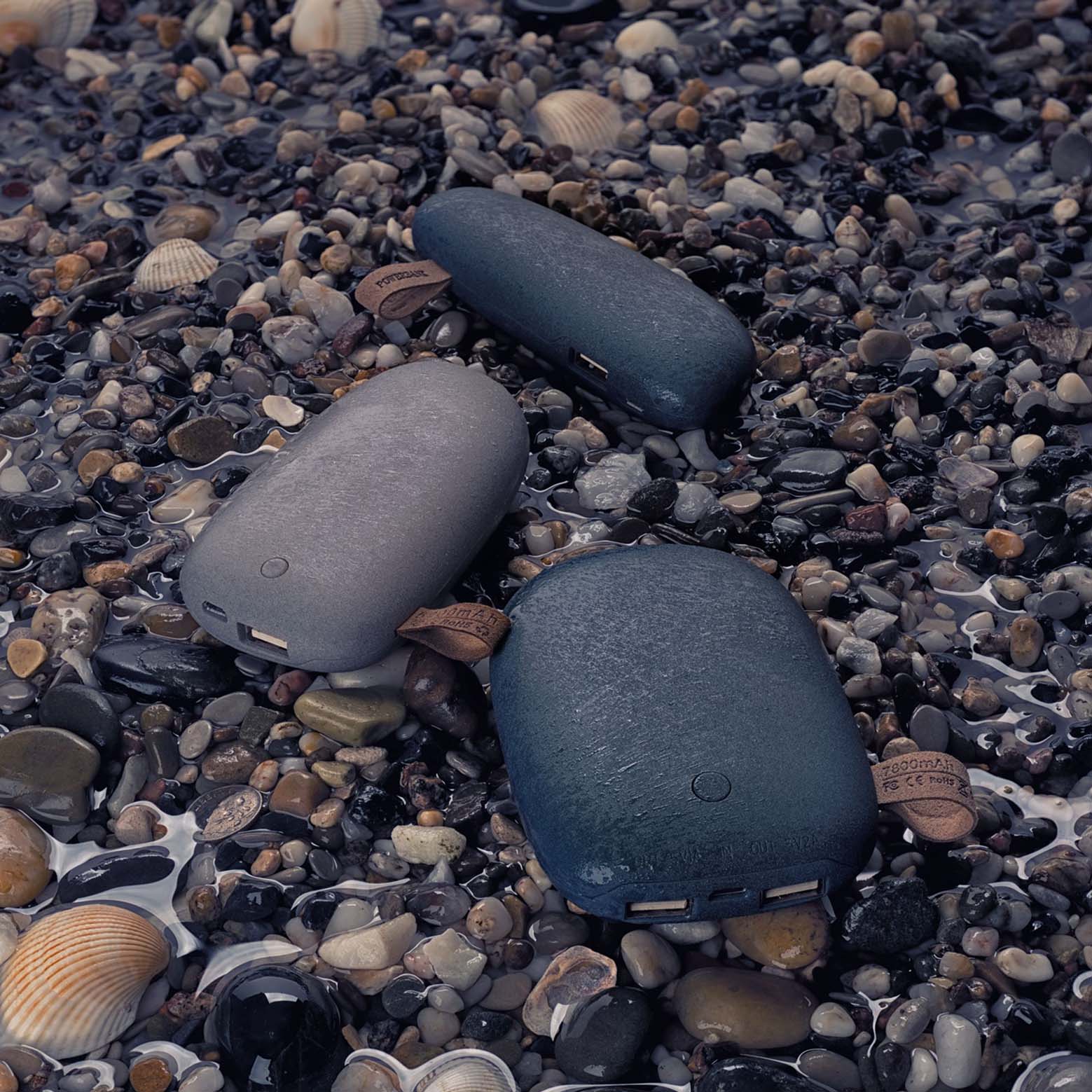
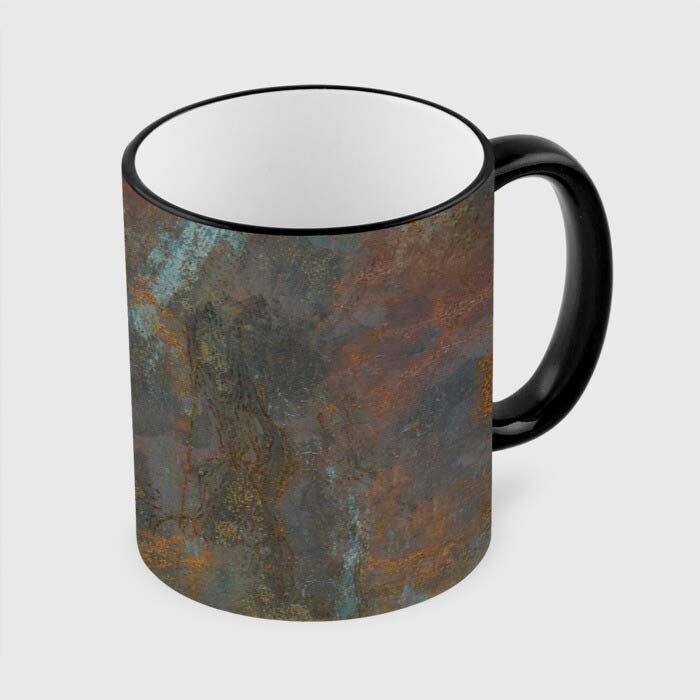


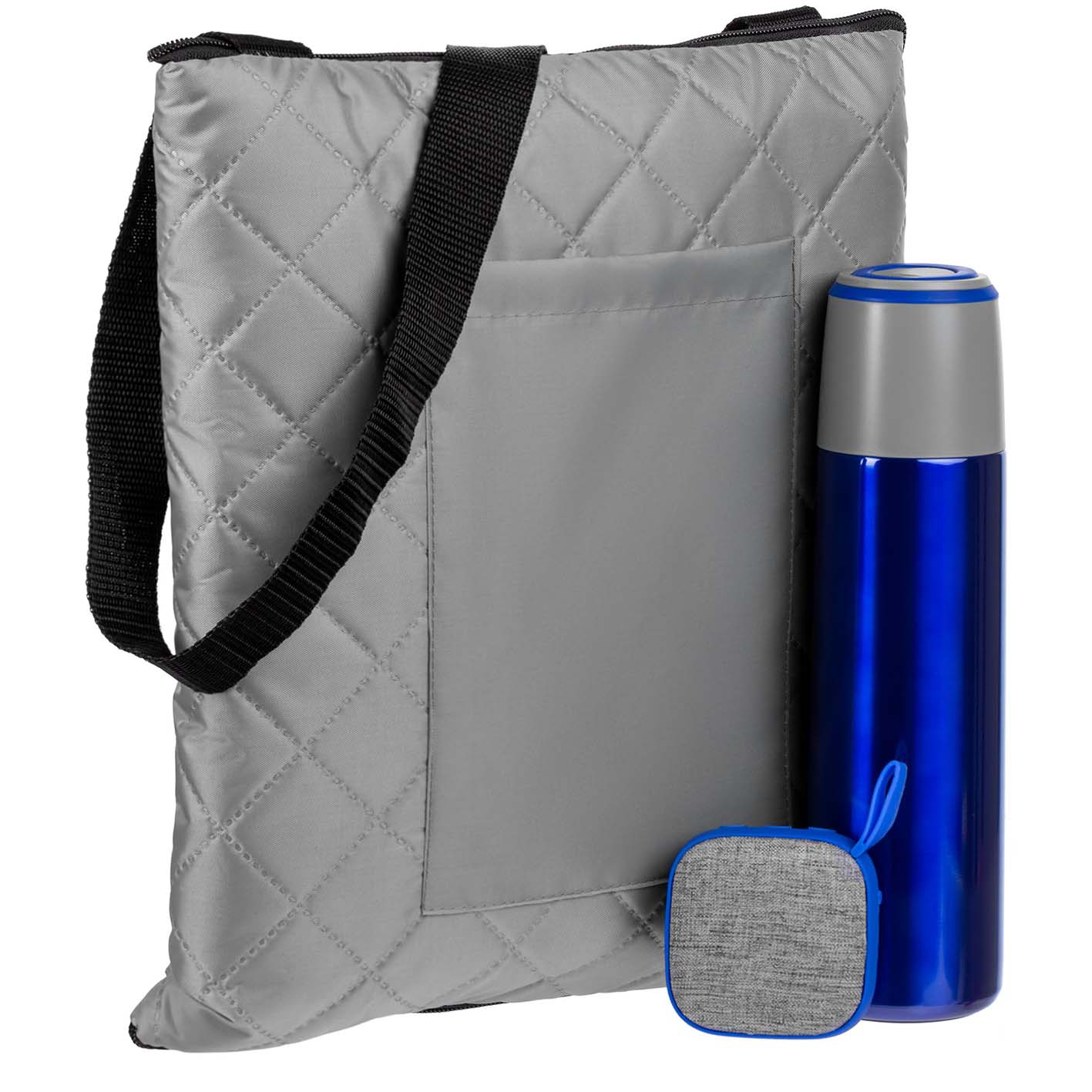
The line of souvenirs for the opening of the route is also thematic and reflects the concept of both the route and the territory itself. Scandinavian hygge (Danish: hygge) is a common word for northerners, denoting a feeling of coziness and comfortable communication.
The route's merchandise reflects hygge with comfortable mugs, a sun alarm clock, and blankets with thermoses. The electric garland and stone-shaped power bank occupy a special place. The garland symbolizes the very idea of a chain of hydroelectric power plants located on the Pasvik River, where there is a nature reserve on Russian territory and where the route passes, while the stone-shaped power bank is a symbolic reference to the gravel found on the dam embankment and the energy generated by the Skugfoss hydroelectric power plant, which is closest to the Glukha dam.
The route's merchandise reflects hygge with comfortable mugs, a sun alarm clock, and blankets with thermoses. The electric garland and stone-shaped power bank occupy a special place. The garland symbolizes the very idea of a chain of hydroelectric power plants located on the Pasvik River, where there is a nature reserve on Russian territory and where the route passes, while the stone-shaped power bank is a symbolic reference to the gravel found on the dam embankment and the energy generated by the Skugfoss hydroelectric power plant, which is closest to the Glukha dam.
Production of stands
As part of the project, stands were made from aluminum composite, a material resistant to the temperature fluctuations typical of Arctic latitudes, and the author supervised the installation. The route is now open, welcoming visitors and attracting genuine interest from local forest dwellers.
What project are you
considering right now?
considering right now?
Write to us!
We will advise you and offer possible options for implementation and cooperation.
We will advise you and offer possible options for implementation and cooperation.
By sending this message, you consent to the processing of your personal data in accordance with Federal Law No. 152-FZ dated July 27, 2006. © Brionica
What project are you considering right now?
Send us your request with a description of the task. We will call you back, clarify the details, or immediately tell you about possible implementation options and terms of cooperation.
By sending this message, you consent to the processing of your personal data in accordance with Federal Law No. 152-FZ dated July 27, 2006. © Brionica
Request a call
By sending this message, you consent to the processing of your personal data in accordance with Federal Law No. 152-FZ dated July 27, 2006. © Brionica
Order a project that reflects
your company's philosophy
your company's philosophy
Order a project that reflects
your company's philosophy
your company's philosophy